
Ice Cream Business in Winter: Can Dessert Counters Earn All Year?
Do ice cream outlets earn through Indian winters? Demand dips after the festive season, and national brands respond with winter campaigns and wider menus. This guide explains how a menu of 100-plus items, from softy sundaes and thick shakes to waffles, falooda and vegetarian quick eats, widens a counter's sales opportunities across seasons, and which seasonality questions every franchise investor should ask before signing. Indicative only, with an enquiry CTA.
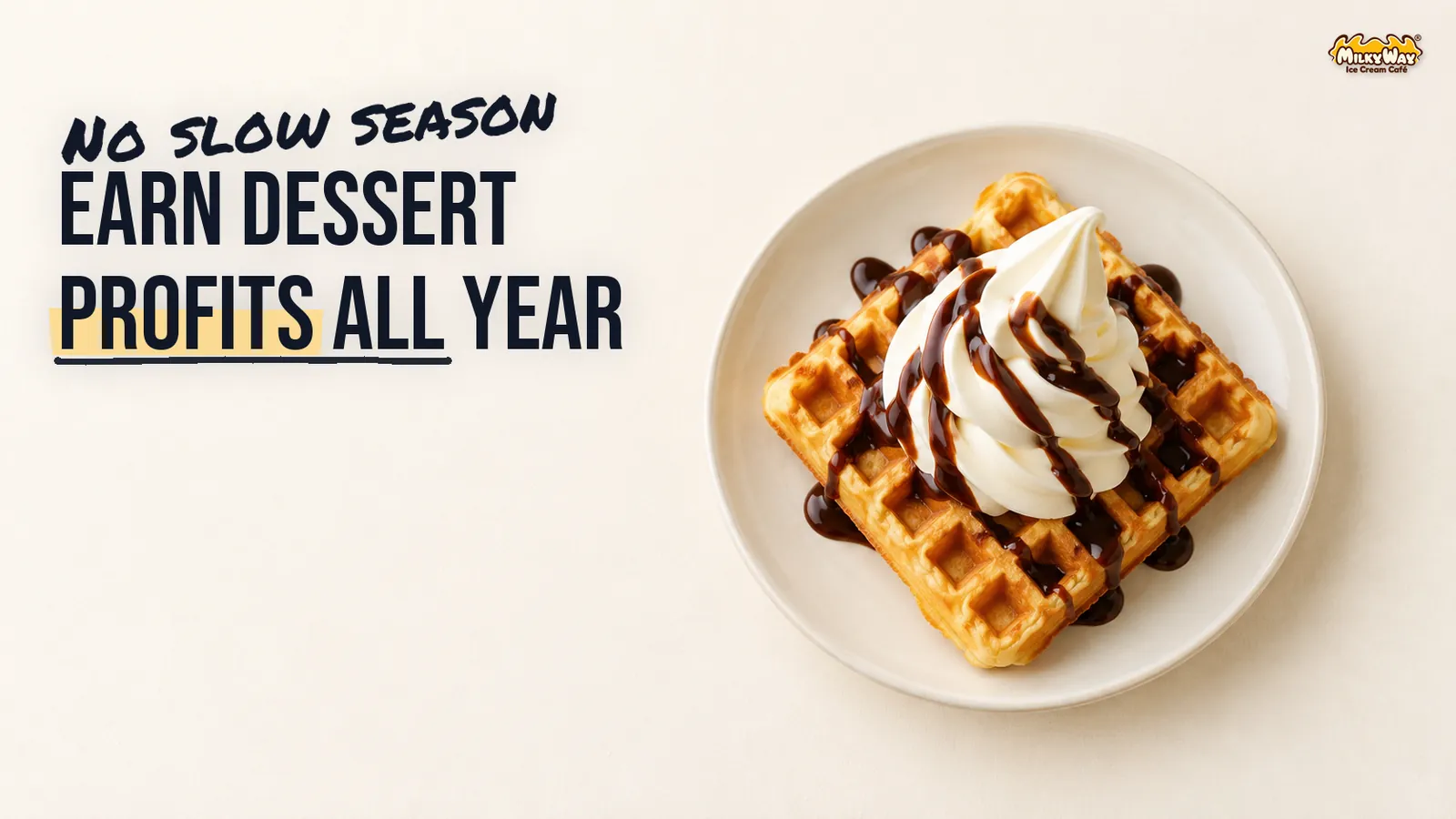
Every October, the same question comes back among dessert entrepreneurs: does an ice cream business in winter actually bring in revenue, or do counters simply hold on until March? Demand for frozen desserts does soften once the festive season ends, and national brands openly plan around that dip. What winter does to any single outlet, however, is not fixed. It depends on the menu, the location and how the counter is run.
Key takeaways
- The problem: Demand for ice cream in India dips as winter arrives alongside the festive season, and brands such as Baskin Robbins and Havmor respond with winter campaigns and wider ranges (BW Retail World).
- The defence: Menu breadth. Thick shakes, cold coffee, waffles, falooda and vegetarian quick eats give customers reasons to order beyond cones.
- MilkyWay's menu: More than 100 items spanning dessert, drink and vegetarian quick-eat options, served at 20+ outlets across South India, with the brand serving since 1994.
- Investor signal: Seasonality is one of the most important questions to put to any franchisor. Request month-wise sales patterns, not annual averages.
Does an ice cream business in winter really slow down?
Yes. Demand for frozen desserts dips in India once the festive season ends and temperatures fall, and the industry plans around it. How deeply any one outlet feels that dip is not predetermined, though. It depends on menu breadth, location and day-to-day operations, which is why winter performance varies so widely from counter to counter.
The mechanics of the dip are straightforward. Ice cream is largely an impulse and comfort purchase, tied to heat, holidays and outings. When evenings turn cool, families do not stop going out. They simply adjust their orders.
A customer who wanted a softy cone in May might pick a warm waffle in December, or a thick shake after a film. This kind of substitution is why the conversation around ice cream seasonality in India has matured. Parlours once treated lean winter months as inevitable. The category now plans for the dip through campaigns, launches and menu rotation, much as apparel retail plans for end-of-season sales.
How are national brands handling ice cream seasonality in India?
National brands increasingly treat winter as a marketing and merchandising challenge rather than a written-off quarter. Baskin Robbins keeps introducing new products through the festive season regardless of demand levels, while Havmor runs influencer and celebrity campaigns to sustain brand presence in the softer months (BW Retail World).
The details matter for anyone evaluating this industry. BW Retail World reports that Baskin Robbins implements a multi-faceted strategy during the festive period. Leadership at Havmor, and at newer brands such as Scuzo Ice 'O' Magic, point to product variety as their answer when ice cream demand runs low.
"These initiatives, featuring local influencers and celebrities, are strategically designed to maintain our brand presence even when ice cream demand is naturally lower during the festive season," said Komal Anand, Managing Director, Havmor Ice Cream (BW Retail World).
Share on LinkedIn · Share on X
Three patterns stand out in how established players approach the season:
- They never go quiet. Sustained advertising keeps the brand familiar before summer returns.
- They broaden the basket. A customer who skips a cone can still buy something else.
- They ride the festival calendar. Diwali, Christmas, New Year and Pongal all draw families outdoors.
Regional parlours can apply all three patterns without national budgets. The underlying lever is menu design rather than media spend, and that lever is open to any counter that plans for it.
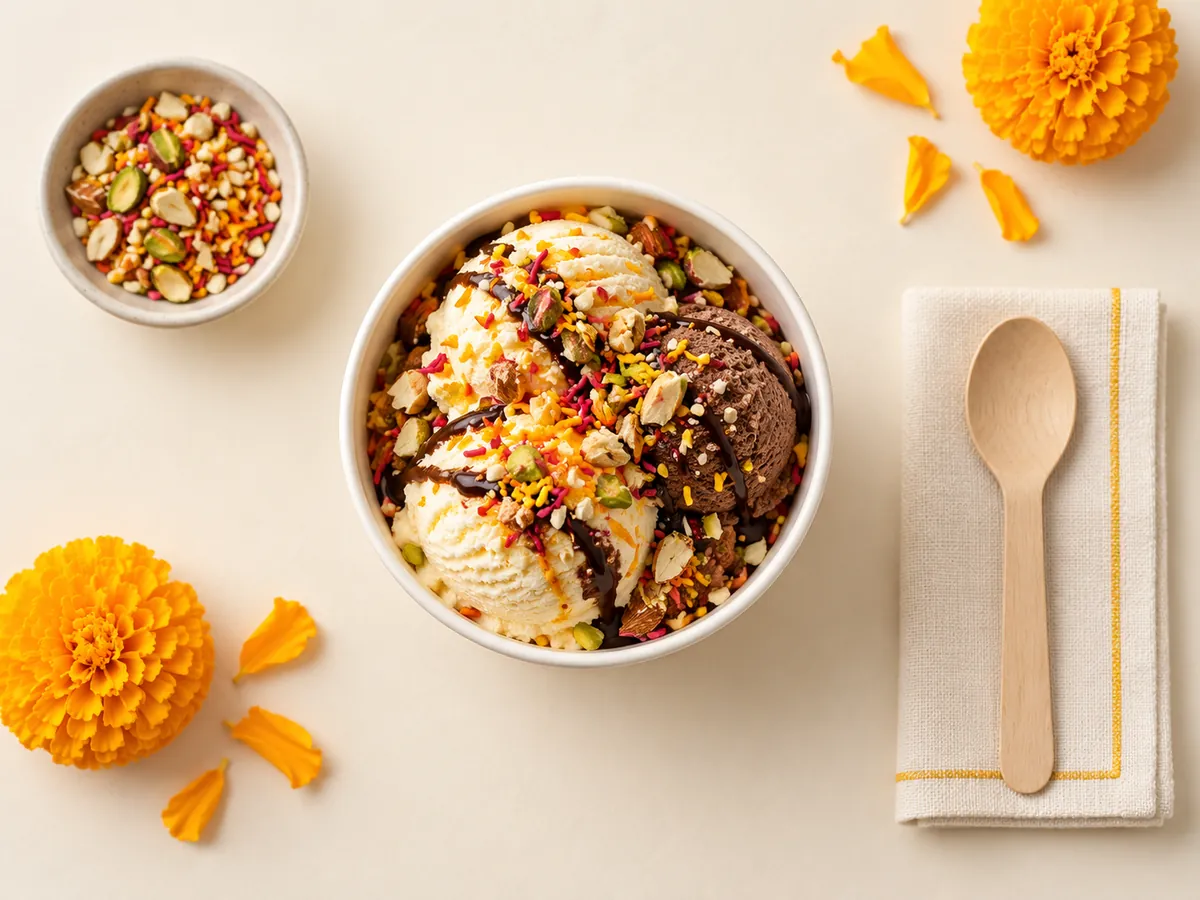
What do ice cream shops do in the winter to keep earning?
The short answer is that they sell far more than ice cream. So how do ice cream shops survive winter in practice? They lean on categories that still appeal in cool weather, such as warm waffles, thick shakes, cold coffee, falooda and grilled snacks, so the counter has more to offer than cones alone.
Think about a mixed dessert menu. A warm Belgian waffle suits a cool evening. Cold coffee and thick shakes give students and office-goers a reason to stop by even when nobody wants a cone. Beverages widen the choice on the menu; they do not remove seasonality, but they add more ways for a customer to place an order.
Savoury items matter as well. A grilled sandwich or a plate of fries turns a dessert stop into an evening snack destination for families. Natural ice creams and kulfi-style scoops speak to traditional tastes that are not tied to any single season. None of this guarantees winter sales. It simply widens the number of opportunities a counter has to make one.
Promotions complete the picture. Festival combos, loyalty offers and limited winter specials give regulars a reason to return. What do ice cream shops do in the winter, in one line? They give people more reasons to walk in than a cone.
How does MilkyWay ice cream keep its counters busy all year?
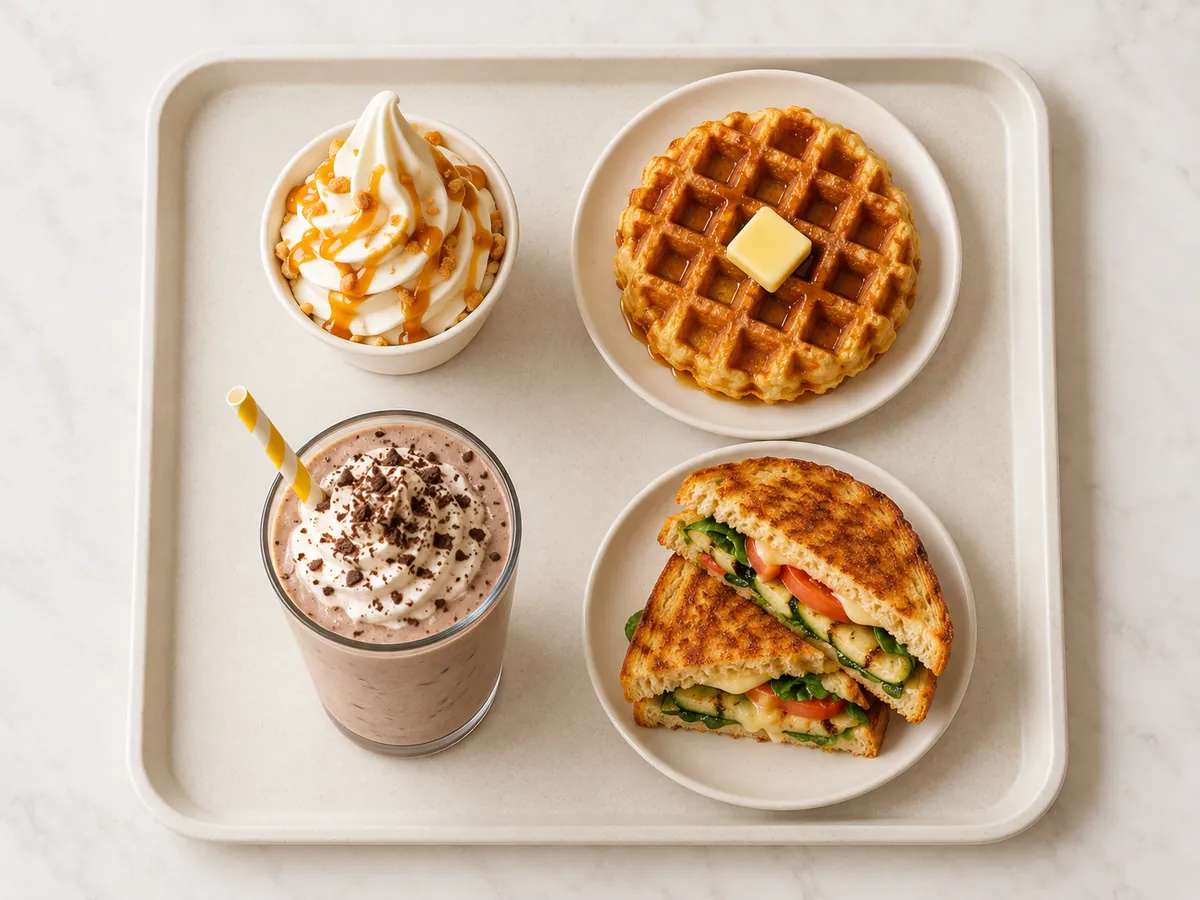
MilkyWay ice cream counters list more than 100 items across dessert, drink and vegetarian quick-eat options. The menu covers signature softy sundaes, scoops and cones, warm waffles, thick shakes and cold coffee, coolers and falooda, natural ice creams, and vegetarian quick eats such as grilled sandwiches, pizzas and fries. That range means a customer can find something to order in any season.
This matters in winter. When cone demand softens, the waffle counter, the shake blender and the sandwich grill offer other things to sell. Festival outings add potential footfall too. Chennai's December season, Christmas and New Year week, and Pongal in January all bring families out, and a dessert cafe on a busy stretch is well placed to catch that traffic. Whether those occasions turn into sales still depends on the outlet's location and operations.
MilkyWay has served since 1994, when it opened Tamil Nadu's first branded softy ice cream showroom in Egmore, opposite Ethiraj College. Today the brand runs 20+ outlets across Chennai, Madurai, Sivakasi, Bengaluru and Port Blair. When families search for ice cream shops near me on a December evening, a MilkyWay ice cream cafe in Chennai can offer something for each of them. Anyone looking for softy ice cream near me in these cities can check the store directory for the nearest counter.
Why is South India kinder to winter dessert sales?
Southern winters are mild, and evenings stay pleasant enough for families to go out. Winter dessert sales in India face a steeper climb in northern cities, where cold evenings genuinely suppress the appetite for frozen treats. In Chennai, Madurai or Bengaluru, December weather rarely keeps anyone indoors.
That said, climate is only one input. What mild weather means for a specific outlet's sales depends on its location, its catchment and how it is run. A cafe inside a busy mall and a standalone counter on a quiet street can have very different Decembers in the same city.
The festival calendar helps frame the season. Pongal in mid-January is a major family outing period in Tamil Nadu. Christmas and New Year week fill malls and beach promenades. School holidays through late December keep children, the core softy audience, out and about. These occasions create opportunities for footfall. Converting them is an operations question, not a guarantee.
What should a franchise investor ask about seasonality?
Seasonality belongs near the top of any franchise evaluation checklist. Before signing with any brand, whether an ice cream franchise in Chennai or elsewhere, ask the franchisor for month-wise sales patterns from comparable outlets rather than a single annual average. Ask which menu categories sell in the cooler months, and what marketing support runs during the festive season.
A useful question list looks like this:
- What does revenue typically look like from November to February, compared with peak summer?
- Which menu items sell in the cooler months, and what share of orders do they represent?
- What does the franchisor do in winter: campaigns, combos, new launches?
- What fixed costs, such as rent, staff and power, continue regardless of season?
- How does the franchisor train outlet teams for seasonal selling?
On costs, clarity matters as much as the headline figure. At MilkyWay, investment starts from ₹25 lakh, plus a franchise fee that the team shares during the discussion. The final figure depends on location, size, interiors and equipment, and the brand shares a detailed breakup for each proposed outlet. Treat any earnings estimate as indicative only, since earnings depend on location and operations.
What this means for you
If you are weighing an investment in a dessert or QSR franchise, winter is not a reason to walk away. It is a topic to test. Use the questions above with every franchisor you speak to, and compare how openly each one answers.
Look closely at menu breadth, because a counter that only sells cones has fewer ways to earn in cool weather than one selling waffles, shakes and snacks as well. Ask for month-wise numbers, and ask what the brand itself does between November and February.
If you want to see how a 30-year-old South Indian brand answers these questions, the next step is a conversation. Share your city and site details through the franchise enquiry page, and the MilkyWay team will walk you through investment, support and seasonal operations.
FAQs
Do ice cream shops make money in winter?
Making sales and making a profit are different things. Many dessert counters continue to make sales in winter, especially where menus go beyond cones. Whether an individual shop is profitable in those months depends on its own revenue and its costs, such as rent and staffing, so there is no single answer across the industry.
How much does a MilkyWay franchise cost?
Investment starts from ₹25 lakh, plus a franchise fee that the team shares during the discussion. The final figure depends on location, size, interiors and equipment. Any earnings estimate is indicative and depends on how the outlet is run.
Is ice cream a seasonal business in India?
Demand for frozen desserts peaks in summer and softens in winter, so the category is seasonal. Brands manage this with broader menus, festival campaigns and year-round marketing. How seasonality affects a specific outlet depends on its menu, location and operations.
Where can I find a MilkyWay ice cream cafe in Chennai?
MilkyWay runs multiple cafes across Chennai, alongside outlets in Madurai, Sivakasi, Bengaluru and Port Blair. The store directory lists every location with directions.
Do I need restaurant experience to open a MilkyWay franchise?
No. MilkyWay's franchise page states that no restaurant experience is needed. The team supports site selection, store setup, staff training, marketing and ongoing operations.
Related resources
- Franchise Insights
- Dessert Business
- ice cream business in winter
- ice cream seasonality india
- winter dessert sales india
- milkyway ice cream
- milkyway ice cream cafe chennai
- ice cream shops near me
- how do ice cream shops survive winter
- softy ice cream near me
- ice cream franchise in chennai
- what do ice cream shops do in the winter